



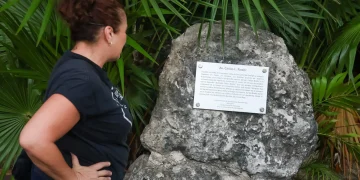









Have you ever wondered what life was like in ancient Cancun? Delve into the past at the ‘El Rey’ Archaeological Zone, a fascinating archaeological site located in the heart of Cancun’s hotel zone. This historical gem offers a glimpse into the Mayan civilisation, showcasing ruins that tell stories of a once thriving community.
History of El Rey
Early Foundation and Settlement
The roots of El Rey stretch back to around 300 AD, when a small group of fishermen established the site. They built modest wooden houses with palm-thatched roofs atop stone platforms. This early community laid the groundwork for what would become a significant coastal settlement.
Development and Peak Period
El Rey flourished between 1300 and 1550, a period marked by rapid population growth along the coast of what is now Quintana Roo. The site’s strategic location between the Caribbean Sea and the Nichupté Lagoon made it a bustling hub for maritime activities. During its peak, El Rey featured impressive residential and ceremonial structures, reflecting the community’s prosperity.
Decline and Abandonment
The arrival of the Spanish in the 16th century disrupted the socio-economic structure of the region. The inhabitants of El Rey, facing upheaval, abandoned the site, which remained uninhabited until the early 20th century. Archaeological efforts in the 1970s and 1980s brought El Rey back to light, allowing us to explore its storied past.
Significance of the Name “El Rey”
Origin of the Name
In 1909, English travelers Channing Arnold and Frederick Frost stumbled upon an intriguing anthropomorphic sculpture at the site. They interpreted this figure as a noble personage, inspiring the name “El Rey,” which translates to “The King.”
Discovery of the Anthropomorphic Sculpture
The sculpture that gave El Rey its name remains a focal point of the site. This artifact, believed to represent a Mayan noble, underscores the historical importance of the settlement and its ties to the broader Mayan civilization.
Geographical Location
Location within Cancún’s Hotel Zone
El Rey is conveniently situated within Cancún’s bustling hotel zone, making it easily accessible to tourists. Its location is not just a matter of convenience; it highlights the site’s historical role as a key port within the Caribbean’s coastal trade network.
Strategic Importance in the Coastal Trade Network
The proximity to both the sea and the lagoon provided El Rey with a strategic advantage. This location facilitated fishing, salt extraction, and trade, activities that were central to the community’s livelihood and its connections with other Mayan settlements.
Archaeological Findings
Initial Discoveries and Research
The first significant archaeological investigations at El Rey began in the early 20th century. Subsequent excavations in the 1970s and 1980s unearthed a wealth of structures and artifacts, offering a window into the site’s vibrant past.
Excavations and Restoration Efforts
Thanks to dedicated archaeological efforts, El Rey’s structures have been meticulously restored. Visitors today can walk along the main road and explore the two plazas, appreciating the site’s architectural grandeur.
Important Structures and Their Purposes
El Rey features numerous structures, each serving a unique purpose. Residential buildings, ceremonial platforms, and small altars line the main road, painting a vivid picture of daily life and religious practices in this ancient community.
Architecture and Layout
Description of the Plazas and Structures
The site is organized around two main plazas, each flanked by impressive structures. These plazas were likely central to the community’s social and ceremonial life.
Unique Features of the Residential Buildings
The residential buildings at El Rey are notable for their detailed construction. Each “house” typically features a porticoed entrance, a bench for daytime activities, and a private area that likely served as a sleeping quarters.
The Main Road and Its Significance
A carefully constructed road runs through El Rey, connecting the main structures. This road not only facilitated movement within the settlement but also underscores the community’s planning and organizational skills.
Cultural and Social Aspects
Daily Life of the Inhabitants
Life at El Rey revolved around fishing, salt extraction, and trade. The community’s daily activities were a blend of economic necessity and cultural traditions.
Economic Activities like Fishing and Salt Extraction
Fishing and salt extraction were the economic lifeblood of El Rey. These activities not only supported local subsistence but also facilitated trade with larger urban centers.
Burial Practices and Biological Diversity
Archaeological studies have revealed numerous burials within the site. These findings indicate a community with significant biological diversity and connections to other Mayan regions, such as Cozumel and Chichen Itzá.
El Rey and Surrounding Sites
Connection with San Miguelito and Other Nearby Sites
El Rey’s northern platforms align with the nearby San Miguelito site, suggesting a larger interconnected settlement. This extensive network highlights the region’s importance within the Mayan world.
Role in the Larger Network of Mayan Settlements
El Rey was part of a broader network of Mayan settlements along the Yucatán Peninsula. This network facilitated cultural exchange and economic trade, underscoring the region’s significance.
Modern-Day El Rey
Preservation and Conservation Efforts
Modern conservation efforts have ensured that El Rey remains accessible to the public while preserving its historical integrity. These efforts include structural stabilization and informative displays.
Visitor Experience and Guided Tours
Visitors to El Rey can enjoy guided tours that bring the site’s history to life. These tours offer insights into the daily lives of the ancient inhabitants and the site’s archaeological significance.
Accessibility and Visitor Information
El Rey is open to visitors daily from 9:00 AM to 4:30 PM. The entrance fee is $75 pesos, making it an affordable and enriching experience for all.
Impact on Tourism
Contribution to Cancún’s Cultural Tourism
El Rey plays a vital role in Cancún’s cultural tourism. It offers visitors a chance to explore the region’s rich history and adds depth to the typical beach vacation experience.
Educational Value and Community Engagement
The site serves as an educational resource, providing valuable insights into Mayan culture. Community engagement programs help raise awareness about the importance of preserving this historical treasure.
Visitor Information
Opening Hours and Ticket Prices
El Rey is open from Monday to Sunday, 9:00 AM to 4:30 PM. The entrance fee is a modest $75 pesos, making it accessible to a wide range of visitors.
Best Times to Visit
The best time to visit El Rey is early in the morning or late in the afternoon when the weather is cooler, and the site is less crowded.
Tips for an Enjoyable Visit
To make the most of your visit, wear comfortable shoes, bring water, and use sunscreen. A guided tour is highly recommended to fully appreciate the site’s history and significance.
Conservation Projects
Major Conservation Efforts Over the Years
El Rey has benefitted from several major conservation projects, particularly in the 1970s, 1980s, and 2010. These projects have focused on structural preservation and enhancing visitor experiences.
Challenges Faced and Solutions Implemented
Preserving El Rey poses several challenges, including environmental degradation and the impact of tourism. Conservationists have implemented solutions such as controlled access and ongoing maintenance to address these issues.
Future Plans for Preservation
Future preservation plans aim to balance accessibility with conservation, ensuring that El Rey remains a valuable historical site for generations to come.
Significance in Mayan Culture
Importance of the Site in Mayan History
El Rey holds a significant place in Mayan history as a key coastal settlement. Its strategic location and economic activities highlight its importance within the broader Mayan civilization.
Religious and Ceremonial Aspects
The site features several small altars and ceremonial platforms, indicating its role in religious practices. These structures provide insights into the spiritual life of its inhabitants.
Influence on Modern Understanding of Mayan Civilization
El Rey’s archaeological findings have greatly contributed to our understanding of Mayan civilization. The site offers a glimpse into the daily lives, economic activities, and cultural practices of the ancient Mayans.
Interesting Facts
Unique Discoveries and Lesser-Known Facts
El Rey is home to several unique discoveries, including the anthropomorphic sculpture that inspired its name. Other interesting finds include murals depicting Mayan gods and artifacts used in daily life.
Stories and Legends Associated with El Rey
The site is steeped in stories and legends, many of which have been passed down through generations. These tales add a layer of intrigue to the historical significance of El Rey.
Exhibits and Displays in the Museo Maya de Cancún
Many artifacts from El Rey are displayed in the Museo Maya de Cancún. These exhibits provide additional context and enrich the visitor experience.
Conclusion
Zona Arqueologica “El Rey” is more than just a historical site; it’s a journey into the past. Its well-preserved structures and rich history offer invaluable insights into the Mayan civilization. Whether you’re a history buff or a casual traveler, El Rey is a must-visit destination that promises to enrich your understanding of ancient Cancún.
FAQs
What is the significance of the name “El Rey”?
The name “El Rey” was inspired by an anthropomorphic sculpture discovered at the site in 1909. The sculpture is believed to represent a noble figure, leading to the site’s regal name.
How old is Zona Arqueologica “El Rey”?
El Rey dates back to around 300 AD, with its peak period occurring between 1300 and 1550. It was abandoned in the 16th century following the arrival of the Spanish.
What can visitors expect to see at El Rey?
Visitors can explore well-preserved residential and ceremonial structures, two main plazas, and the main road that runs through the site. Guided tours provide deeper insights into the site’s history and significance.
How has El Rey contributed to our understanding of Mayan civilization?
El Rey’s archaeological findings have shed light on the daily lives, economic activities, and cultural practices of the Mayan people. The site offers a glimpse into the complexities of Mayan society.
What efforts are being made to preserve El Rey?
Ongoing conservation efforts focus on structural stabilization, controlled access, and visitor education. These measures ensure that El Rey remains a valuable historical resource for future generations.